How to Feed Your Show Animal in the Last 30 Days?
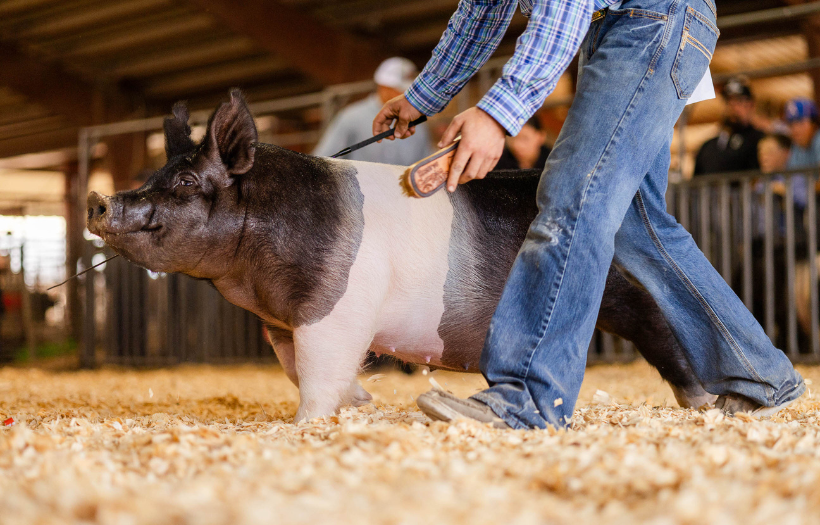
The final 30 days before a show are critical to how your animal looks and performs in the ring. Across all species, including cattle, hogs, lambs and goats, this phase focuses less on major growth changes and more on fine-tuning body mass, muscle definition and managing weight.
Let’s walk through best practices for feeding your show animal during the last 30 days before show day.
Table of contents
- Begin with the End in Mind
- Prepare for Show Day Conditions
- Where is Your Animal on the Maturity Curve?
- What is Your Animal’s Condition?
- Adjust Nutrition Based on Strengths and Weaknesses
- Plan Intentional Adjustments
- Avoid Last-Minute Overcorrections
- How to Fine-Tune?
- Pay Attention to Health Signals
- Keep Late-Stage Feeding Simple
Key Takeaways
- Feeding show animals in the last 30 days focuses on fine-tuning body mass and muscle definition rather than major growth changes.
- Understand your goals for the show and avoid aggressive feeding that leads to incorrect maturity.
- Evaluate your animal’s condition and make intentional adjustments based on its strengths and weaknesses.
- Monitor health signals closely, as late-stage feeding success depends on overall health and comfort.
- Keep feeding principles simple: more muscle requires protein, more condition needs energy, and slower feeding protects structure.
Begin with the End in Mind
One of the most important concepts in late-stage feeding of show animals is knowing what you are working toward. Winning early jackpot shows may require a different approach than preparing for a county or state fair. Ask yourself:
- When is my target show?
- What does my animal need to look like at that show?
- Am I feeding for short-term wins or long-term success?
Feeding aggressively too early can lead to animals becoming overly soft or fleshy in the wrong places, which is difficult to correct once maturity sets in.
Prepare for Show Day Conditions
The final 30 days aren’t just about feed — they are about preparing for the environment your animal will face on show day. Changes in water, routine and stress levels can all impact intake and appearance.
Maintaining consistent feeding practices, supporting hydration and avoiding last-minute changes can help your animal handle show day conditions more smoothly.
Where is Your Animal on the Maturity Curve?
Animals do not all mature at the same rate. Some are greener and later maturing, while others reach physiological maturity earlier. Understanding this is critical in the final 30 days before your show.
Animals that have not yet reached maturity are still efficiently converting nutrients into lean tissue. Once maturity is reached, added nutrition tends to convert more quickly into fat. Feeding too hard early on can result in animals gaining condition faster than desired once maturity arrives. Pay attention to:
- Size and frame relative to age
- Natural rate of gain
- How easily the animal gains fat
Let your animal’s phenotype tell you what it needs, rather than forcing a preset feeding plan.
What is Your Animal’s Condition?
By the last month of the feeding period, your animal’s structural soundness and base muscle are already established. Now is the time to evaluate overall condition and determine what adjustments, if any, are needed. Consider:
- Is the animal too hard-muscled or too soft looking?
- Does it need more muscle expression or a fresher look?
- Is intake consistent day to day?
Feeding decisions during this phase should focus on maintaining strengths and making small adjustments to improve balance and presentation.
Adjust Nutrition Based on Strengths and Weaknesses
Every animal has strengths, and managing those strengths is often more effective than trying to completely change them later in the project. Rather than trying to “fix everything,” decide what matters most:
- If an animal’s strength is muscle and power, protect it
- If an animal needs more body or cover, plan time to add it intentionally
- Avoid stripping away strengths while trying to correct minor flaws
Feeding to an animal’s genetic tendencies often results in a more competitive and natural look on show day.
Plan Intentional Adjustments
When adjustments are needed, they should be made deliberately and with enough time to evaluate results. Adding condition or enhancing bloom requires patience, while removing excess cover late in the project can be difficult. Intentional, gradual changes help maintain balance and prevent animals from appearing tight or stale on show day.
Avoid Last-Minute Overcorrections
When show day gets close, it can be tempting to make big changes in hopes of quick results. However, overfeeding or over-supplementing late in the project often leads to animals that look tight or uneven. Instead:
- Make small adjustments and monitor results
- Allow time for changes to take effect
- Focus on comfort, balance and freshness
Animals that are managed carefully tend to present more naturally and confidently in the ring.
How to Fine-Tune?
Effective fine-tuning involves making small adjustments and allowing time to observe results. Monitor intake, body condition and attitude closely, and avoid stacking multiple changes at once. Animals that are comfortable and consistent tend to present more naturally and confidently in the ring.
Pay Attention to Health Signals
Late-stage feeding success depends on animal health. If intake drops or physical changes appear, investigate quickly.
- Common signs to monitor:
- Reduced appetite
- Changes in movement or comfort
- Swelling or signs of illness
If health concerns arise, work with your veterinarian to address them first before making feeding changes. Nutrition works best when animals are healthy and comfortable.
Keep Late-Stage Feeding Simple
With so much information available, it’s easy to overthink late-stage feeding. At its core, feeding in the final 30 days comes down to simple principles:
- More muscle requires more protein
- More condition requires more energy
- Slower feeding protects structure and soundness
Products and supplements exist to give exhibitors flexibility, but they work best when used intentionally.