How Do I Manage My Show Pig’s Weight?
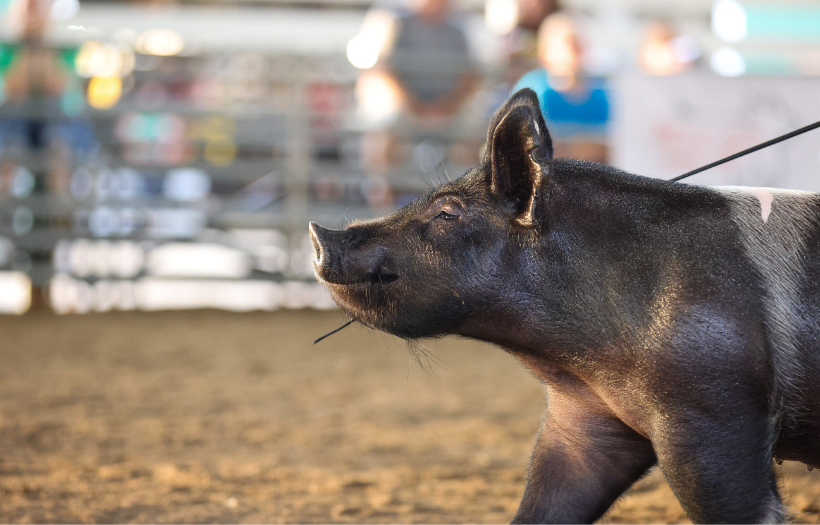
Managing a show pig’s weight is one of the most important parts of preparing for the show ring. Most market shows require pigs to meet a specific weight range, so planning and monitoring growth throughout the feeding period is critical. By understanding how to calculate feed rations, adjusting diets as pigs grow, and using supplements strategically, you can help your pig reach its target show weight.
Table of contents
Key Takeaways
- Managing show pig weight is crucial to meet market show requirements by monitoring growth and adjusting diets.
- Calculate feed needs using days on feed and average daily gain; typically, 12 to 15 bags of feed are necessary per pig.
- If weight gain is slower than expected, check feed freshness, water access, and environment; use palatability supplements if needed.
- To slow down weight gain, adjust rations with lower protein levels and high-fiber fillers while monitoring intake closely.
- For pigs gaining muscle without enough weight, increase energy intake with specific feeds and supplements designed for weight and body composition.
How Much Pig Feed Do I Need to Reach Show Weight?
Many market shows have a minimum required weight for barrows and it’s important to identify your target show and end weight early. You can calculate the amount of feed you will need to reach the target weight with the following formulas:
- Days on feed x average daily gain (ADG) = total pounds needed
- Total pounds needed / 50-pound bag = total number of bags needed
The typical ADG for show pigs is 1.5 to 2 pounds per day and a general rule of thumb is that you will need 12 to 15 bags of complete feed from the animal’s purchase to your target show.
Diet plays a big role in the overall appearance and competitiveness of show pigs, and you will likely want to transition between feeds throughout your animal’s lifespan, depending on the pig’s individual needs, growth rate and body composition. For example, Sunglo® 18-G works best on lighter muscled pigs that need more shape and grow, while Sunglo Smooth works best on harder-bodied pigs that need more forerib and body.
What to do if a Pig’s Weight Gain is Slower Than Expected or if my Pig is a Picky Eater?
Slow weight gain can happen for several reasons, but two of the most common issues are palatability and stress. First, evaluate your pig’s environment and feeding routine. Make sure:
- Feed is fresh
- Pigs have constant access to clean water
- The pen environment is calm and comfortable
- Feeding times are consistent
If intake is still low, adding supplements designed to improve palatability can help encourage consumption. This includes supplements like:
Both of these products are formulated to support appetite and encourage pigs to stay on feed. These can be paired with highly palatable feed such as Sunglo Pig 18-G. You may also try smaller, more frequent feeding to encourage consistent daily intake.
How Do I Slow Down a Pig’s Weight Gain if it’s Gaining Too Fast?
Sometimes pigs gain weight faster than expected. When this happens, the goal is to maintain body condition while slowing the rate of weight gain. One way to manage this is by adjusting the ration to reduce energy intake.
- Feeding diets with slightly lower protein levels
- Adding high-fiber filler products like Sunglo Full Tank™
- Monitoring intake daily and adjusting gradually
- Using products designed to support holding periods like Sunglo Final Control™
The key is to make small adjustments rather than drastic ration changes, which can stress the animal.
How Do I Handle a Pig That is Gaining Muscle But Not Enough Weight?
If your pig is maintaining muscle but lacking overall body weight, adjustments may be needed to increase energy intake while maintaining structure. A feed like Sunglo Smooth can help. This ground feed contains 15% protein and is designed to help pigs add body while maintaining muscle.
Supplements can also support weight gain:
- Sunglo Sumo™ can add fat and energy to the ratio
- Sunglo Game On® supports muscle tone and overall body composition